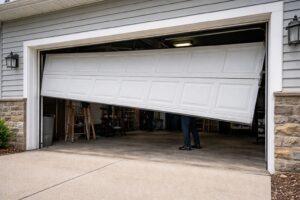
Garage doors are one of the most frequently used mechanical systems in a home. For many households, the garage door opens and closes multiple times every day, which means the system naturally experiences wear over time.
Understanding how long a garage door should last can help homeowners decide when routine repairs are enough and when a full replacement becomes the smarter long-term investment.
Average Garage Door Lifespan
Most residential garage doors last 15 to 30 years, depending on the quality of the door, the components used, and how well the system is maintained.
While the door panels themselves can last decades, several components typically wear out sooner:
-
Springs often last 7–12 years
-
Rollers may last 10–15 years
-
Openers typically last 10–15 years
-
Cables and hardware can wear depending on usage
Routine inspections and maintenance from a professional providing garage door service can significantly extend the lifespan of these parts.
Factors That Affect Garage Door Longevity
Not all garage doors age the same way. Several factors influence how long a system will continue operating reliably.
Frequency of Use
Garage doors that serve as the primary home entry point may cycle five to ten times per day, which accelerates wear on springs, rollers, and openers.
Because the opener handles much of this workload, properly functioning garage door operators are critical to long-term system performance.
Material and Construction
Garage doors come in several materials, and each offers different durability benefits.
For example:
-
steel garage doors are known for strength and low maintenance
-
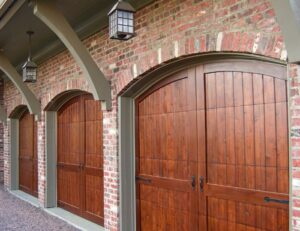
custom wood doors offer premium appearance but require upkeep
-
modern designs combine aesthetics and durability
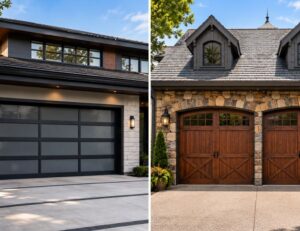
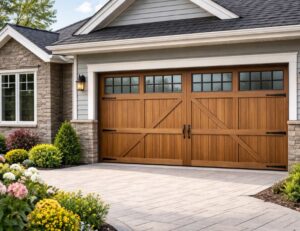
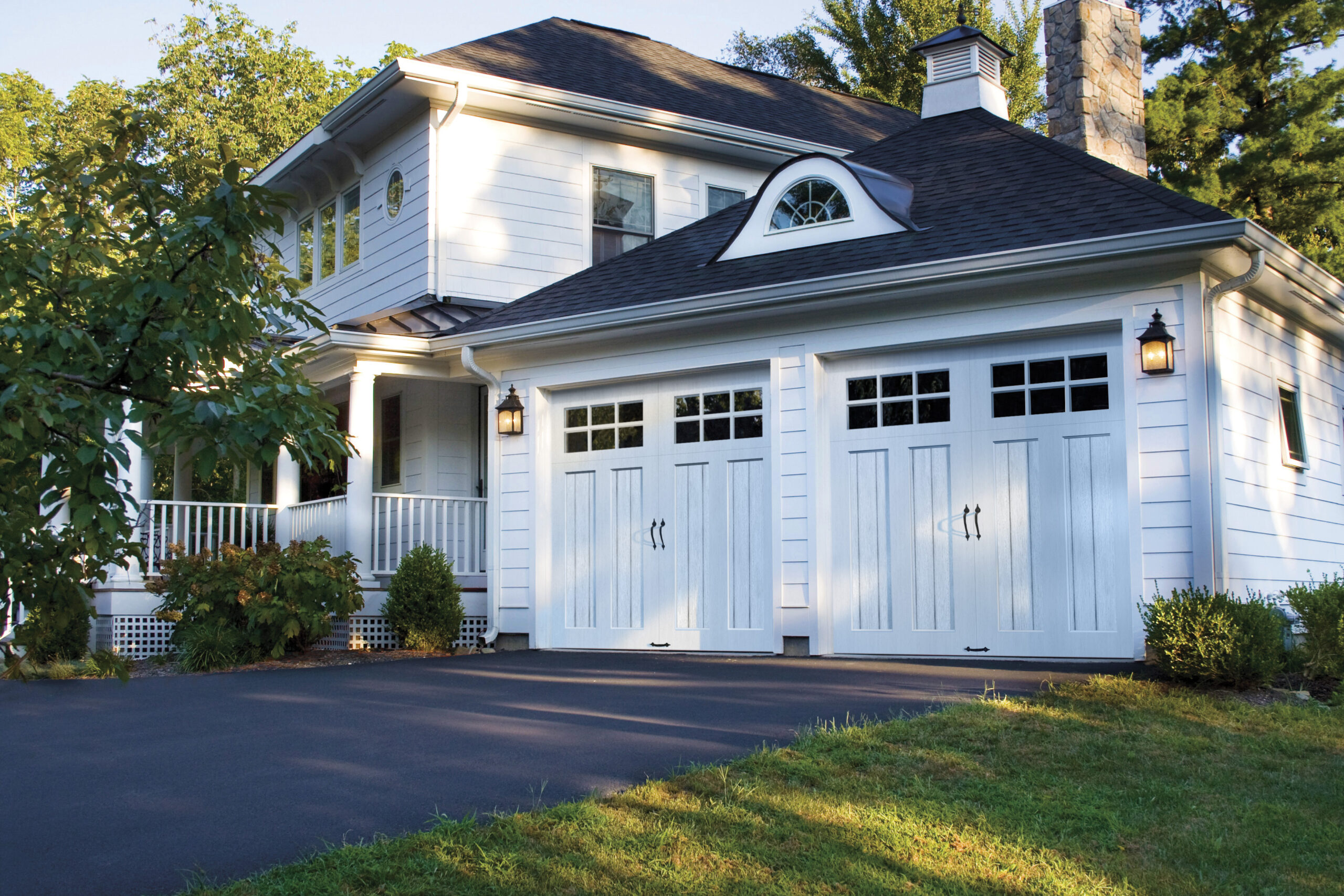
Homeowners interested in updated curb appeal often explore options such as modern garage doors or traditional carriage house doors.
Climate and Environmental Exposure
Weather conditions can also impact longevity. Temperature swings, moisture, and seasonal changes may contribute to:
-
corrosion on metal components
-
expansion and contraction of materials
-
gradual hardware wear
Choosing durable materials and scheduling regular inspections helps reduce long-term damage.
Signs Your Garage Door May Need Replacement
Even well-maintained doors eventually reach the end of their lifespan. Several warning signs suggest it may be time to consider replacement.
Common indicators include:
-
Frequent breakdowns
-
Loud or unusual noises during operation
-
Uneven or jerky movement
-
Visible panel damage
-
Increasing repair costs
If these issues appear repeatedly, homeowners may benefit from a professional evaluation such as garage door repair in Naperville or nearby service like garage door repair in Bolingbrook.
When Repairs Are the Better Option
In many cases, replacing individual components is enough to restore a garage door to full working order.
Repairs often make sense when:
-
the door panels remain structurally sound
-
the problem involves springs, rollers, or cables
-
the opener needs repair or adjustment
-
the door is less than 15 years old
A qualified technician can evaluate the entire system and recommend the most cost-effective solution.
When Replacement Makes More Sense
There are situations where replacing the garage door becomes the more practical choice.
Replacement may be recommended when:
-
the door is over 20 years old
-
major structural damage exists
-
repair costs begin to add up
-
the homeowner wants to improve curb appeal and energy efficiency
Many homeowners take this opportunity to upgrade to modern systems from manufacturers like Clopay garage doors or Haas garage doors.
Looking through a garage door photo gallery can also help homeowners visualize different styles before making a decision.
Choosing the Right New Garage Door
Modern garage doors offer a wide variety of design and performance options. Homeowners can choose from traditional, contemporary, and custom designs to match the style of their home.
Popular choices include:
-
modern designs featured in the modern garage doors gallery
-
durable steel construction
-
custom wood doors for high-end homes
Working with an experienced installation company ensures the door is balanced, insulated, and built for long-term reliability.
TL;DR – Key Takeaways
-
Most garage doors last 15–30 years depending on usage and maintenance.
-
Springs, rollers, and openers typically wear out sooner than the door itself.
-
Frequent breakdowns and rising repair costs may signal replacement time.
-
Regular inspections and maintenance extend the life of your garage door.
-
Modern garage doors offer improved durability, efficiency, and curb appeal.